
বাংলাদেশ and Her People
বাংলাদেশ and Her People
বাংলাদেশ and Her People
This photo series sits very close to me. 2021 was the first time I picked up a camera and left home with the intention to rediscover a part of myself that was left behind. After moving to Canada, my culture slowly turned into something I spoke about in past tense, a familiar name that started to feel like a distant stranger. With this trip I was trying to reach for it again and hold onto the pieces that were slipping away.
This photo series sits very close to me. 2021 was the first time I picked up a camera and left home with the intention to rediscover a part of myself that was left behind. After moving to Canada, my culture slowly turned into something I spoke about in past tense, a familiar name that started to feel like a distant stranger. With this trip I was trying to reach for it again and hold onto the pieces that were slipping away.
These photos sit very close to my heart. 2021 was the first time I picked up a camera and left home with the intention to rediscover a part of myself that was left behind. After moving to Canada, my culture slowly turned into something I spoke about in past tense, a familiar name that started to feel like a distant stranger. With this trip I was trying to reach for it again and hold onto the pieces that were slipping away.


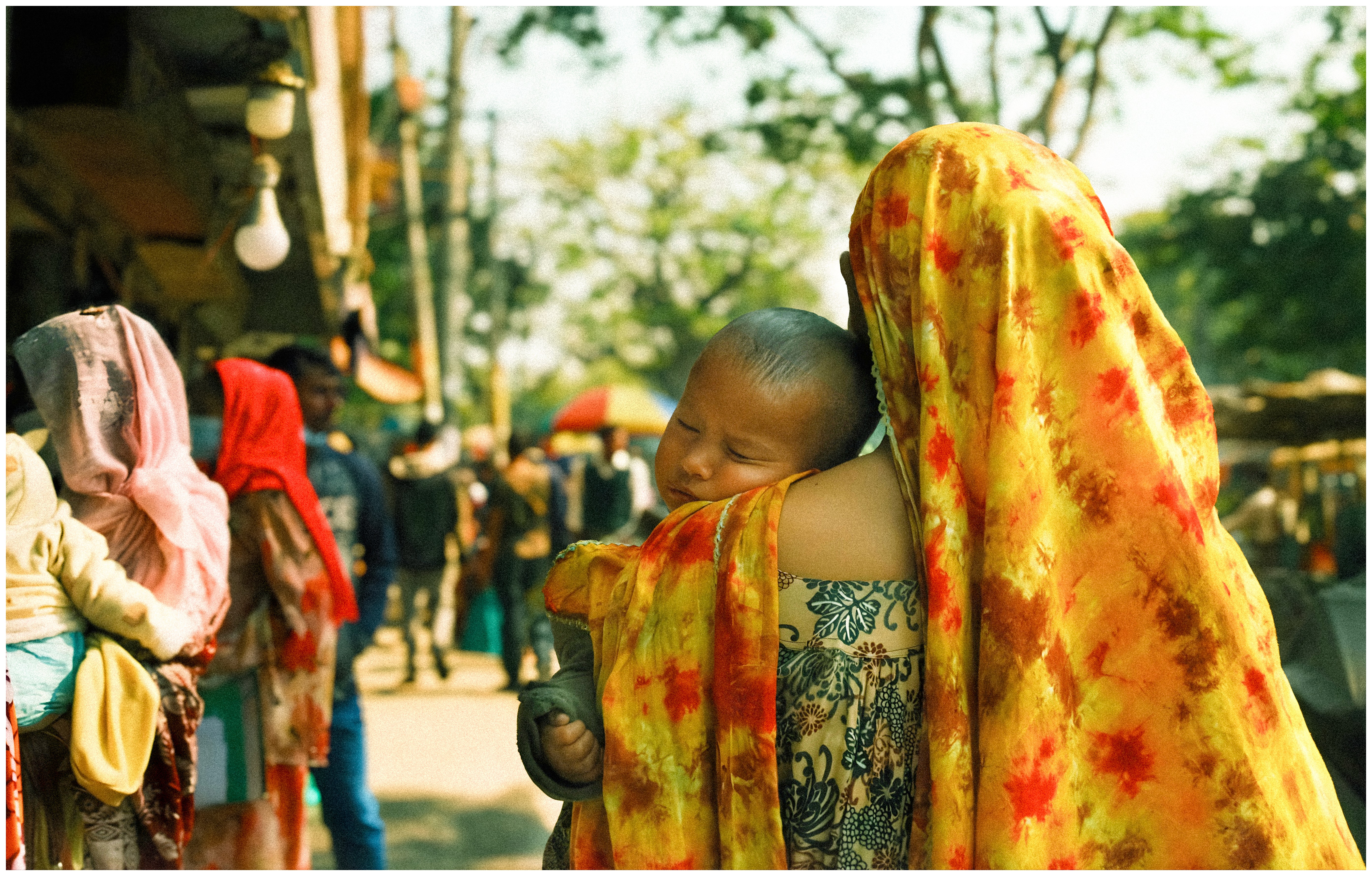

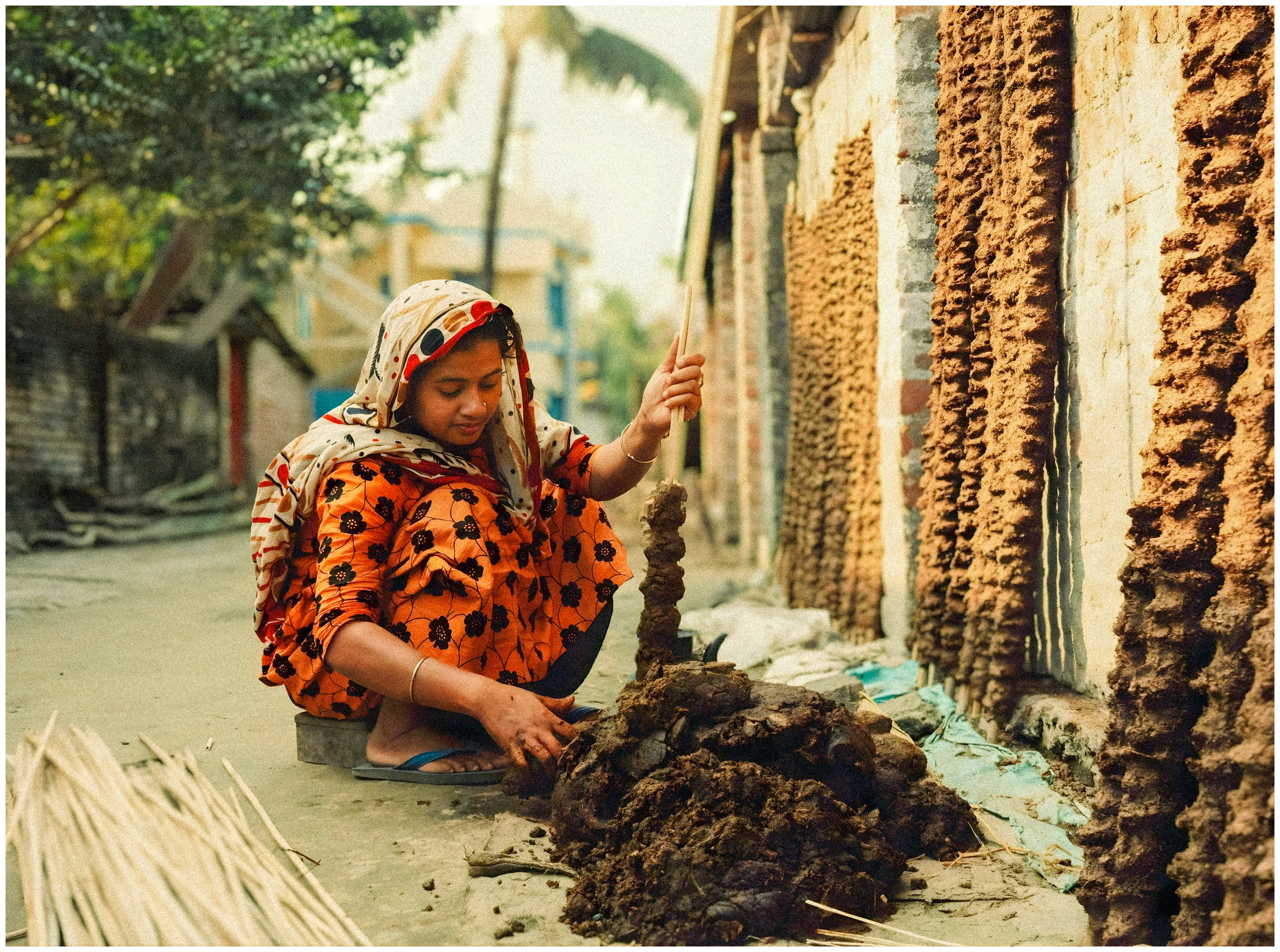
Every morning I stepped out with my uncle with no real plan other than to say yes to whatever showed up—food, tea stalls, long pauses in conversations, the way people talked, argued, laughed. I watched how people moved through their days, how they worked, rested, socialized —I took it all in before pressing the shutter.
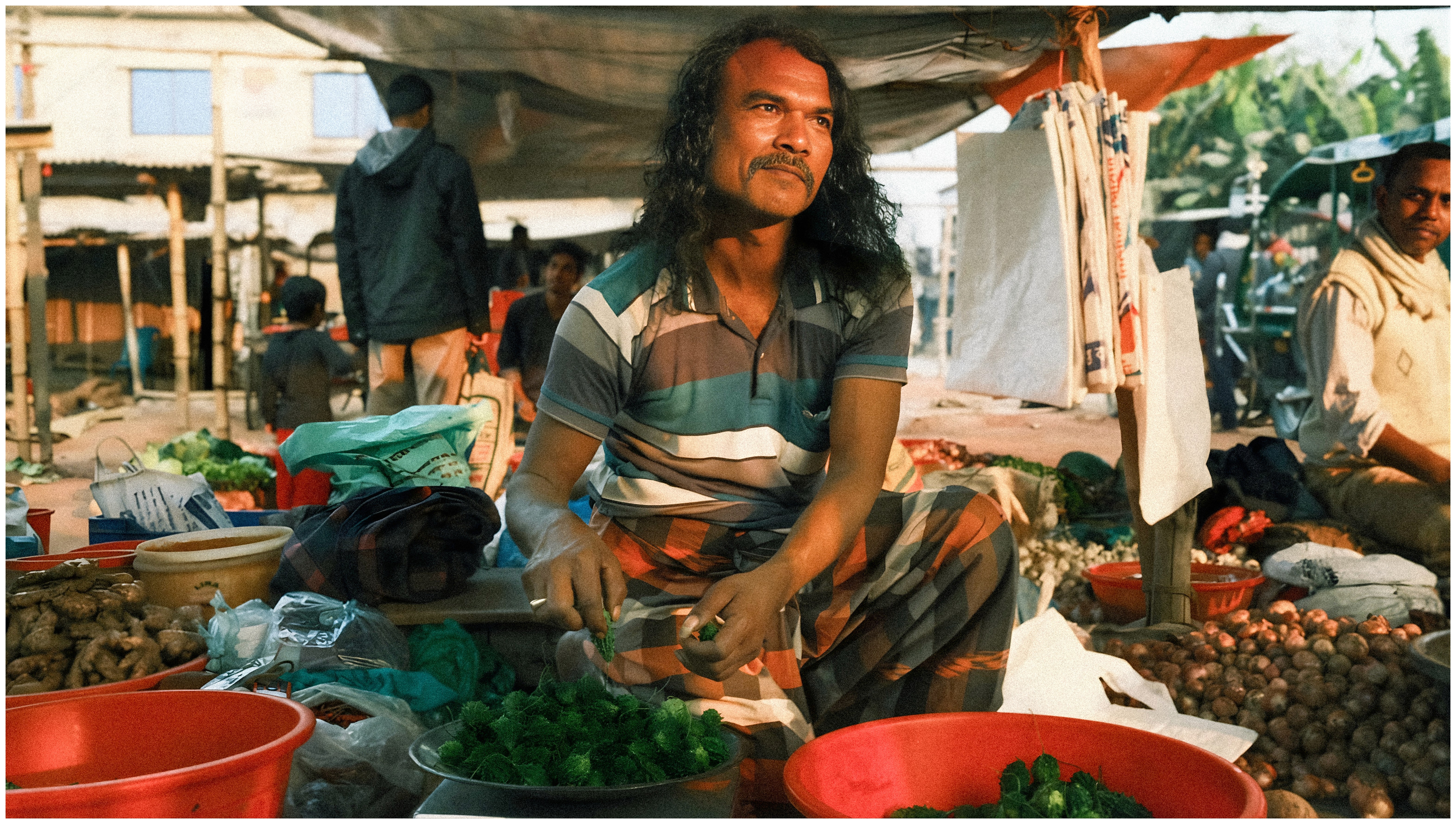
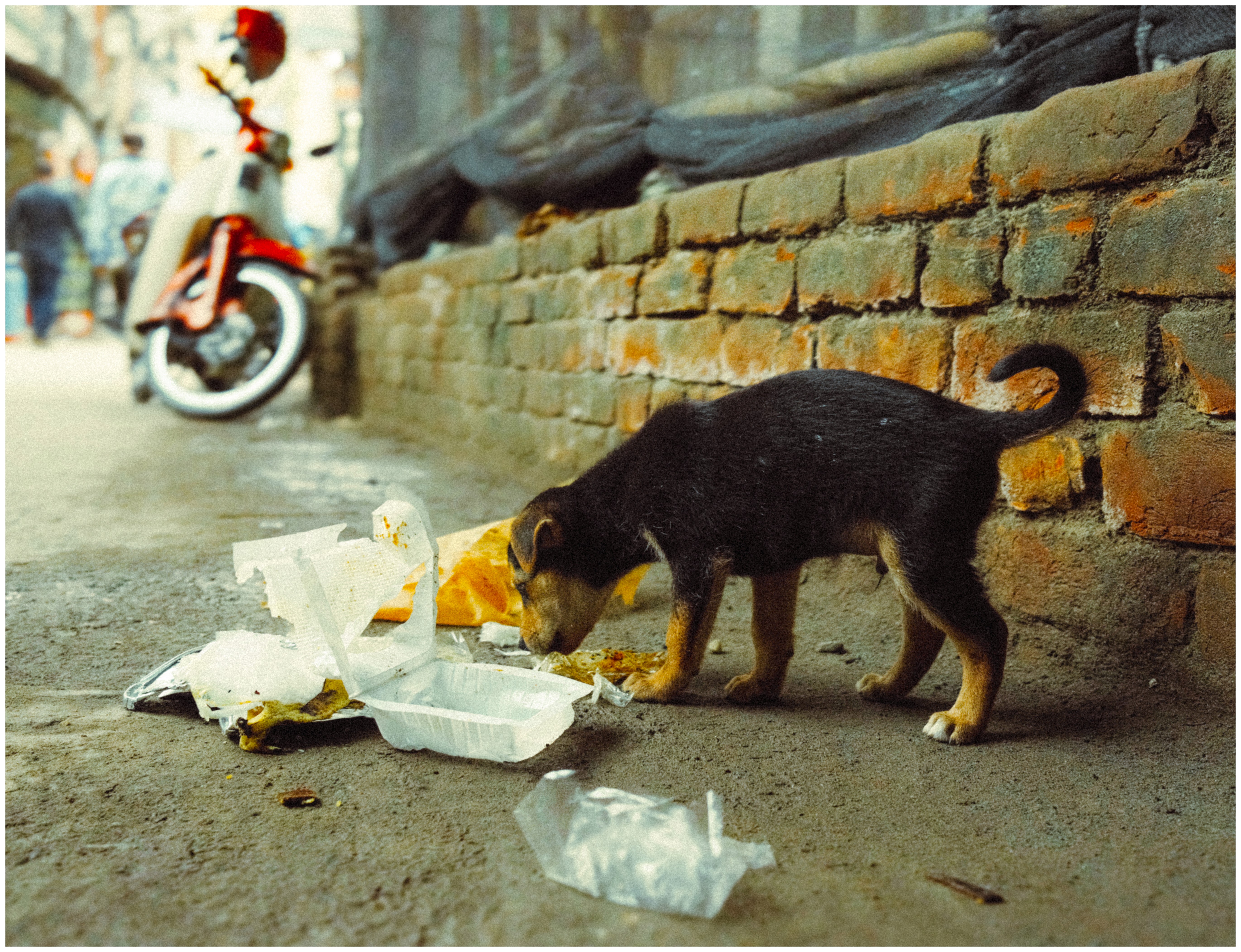
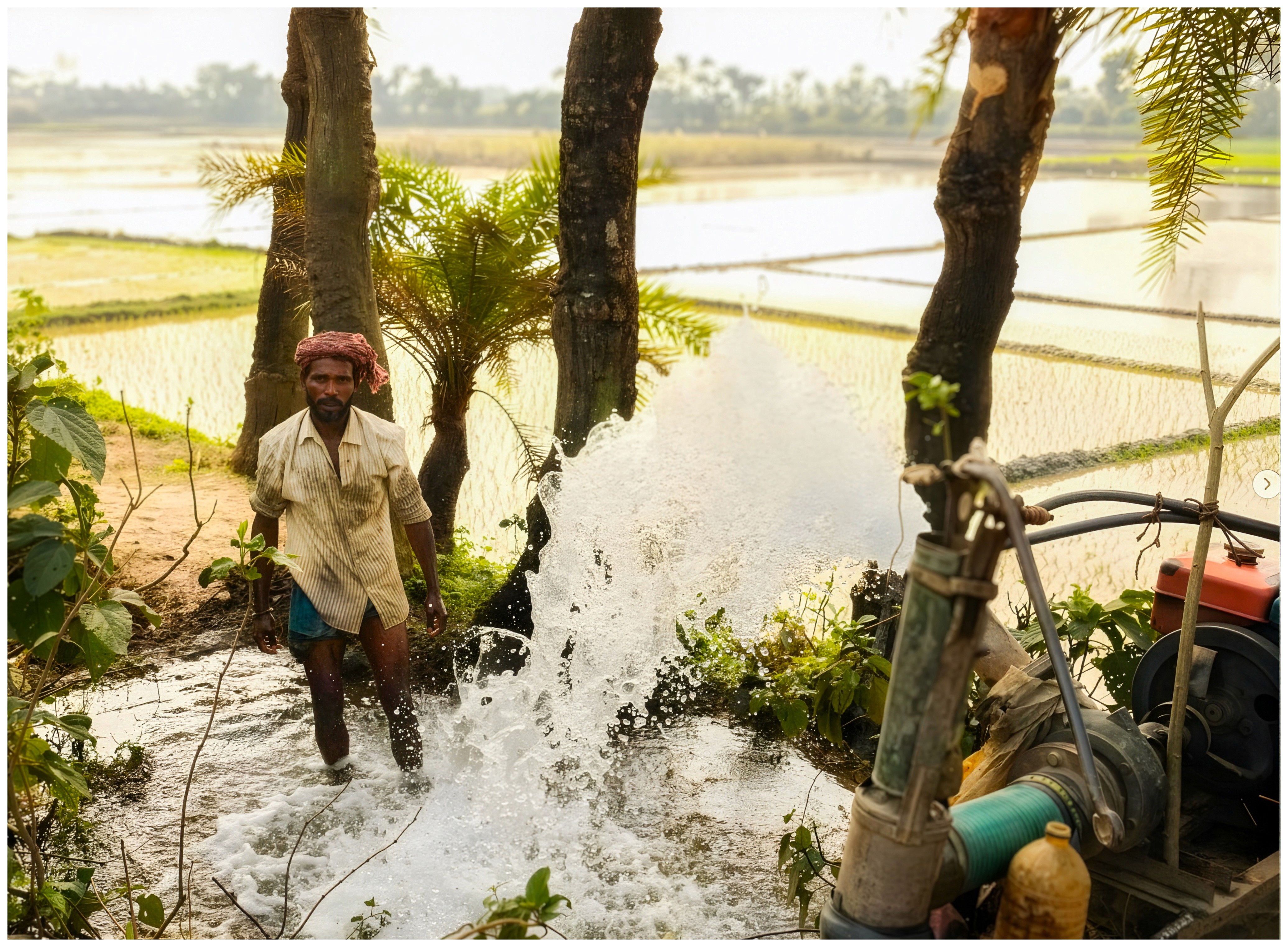
I made a strong effort to capture people exactly as they were, caught in whatever they happened to be doing at that moment in time. I wasn’t interested in posing or polishing them, or in making their lives look prettier than they are. I just wanted the truth—the rough edges, the ordinary gestures, the rawest version of what was in front of me.
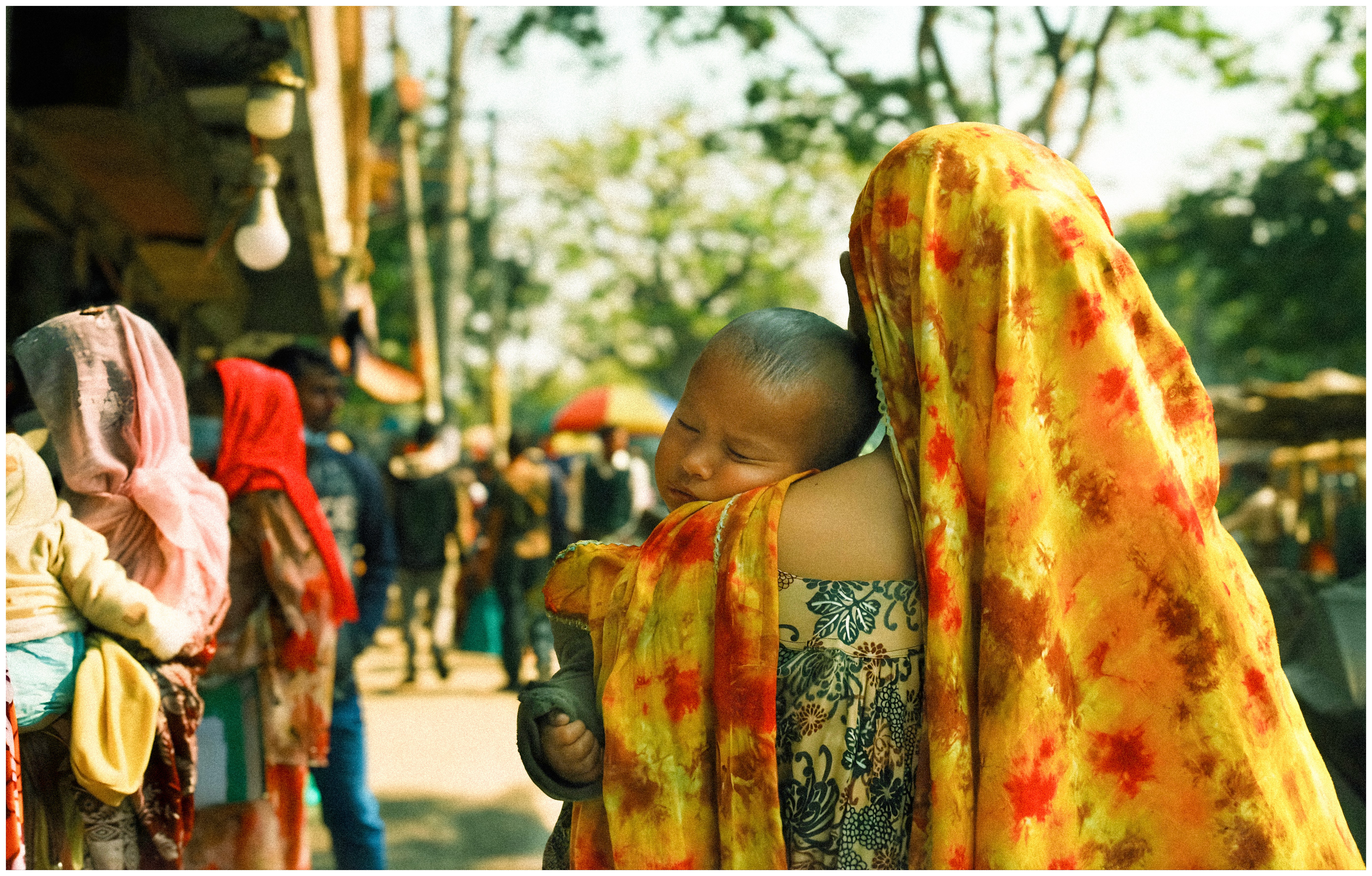
Every morning I stepped out with my uncle with no real plan other than to say yes to whatever showed up—food, tea stalls, long pauses in conversations, the way people talked, argued, laughed. I watched how people moved through their days, how they worked, rested, socialized —I took it all in before pressing the shutter.
I made a strong effort to capture people exactly as they were, caught in whatever they happened to be doing at that moment in time. I wasn’t interested in posing or polishing them, or in making their lives look prettier than they are. I just wanted the truth—the rough edges, the ordinary gestures, the rawest version of what was in front of me.
Every morning I stepped out with my uncle with no real plan other than to say yes to whatever showed up—food, tea stalls, long pauses in conversations, the way people talked, argued, laughed. I watched how people moved through their days, how they worked, rested, socialized —I took it all in before pressing the shutter.
I made a strong effort to capture people exactly as they were, caught in whatever they happened to be doing at that moment in time. I wasn’t interested in posing or polishing them, or in making their lives look prettier than they are. I just wanted the truth—the rough edges, the ordinary gestures, the rawest version of what was in front of me.

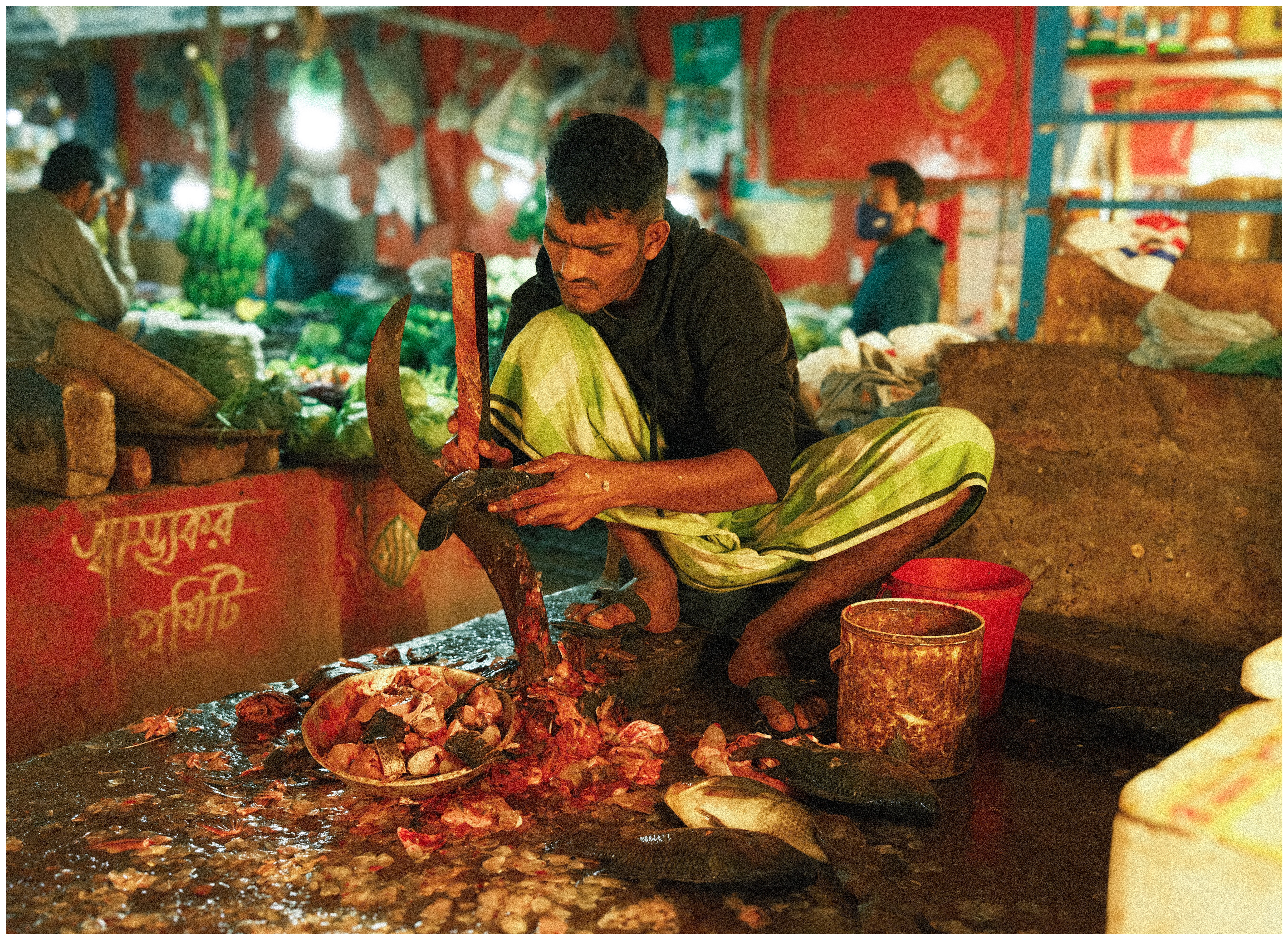

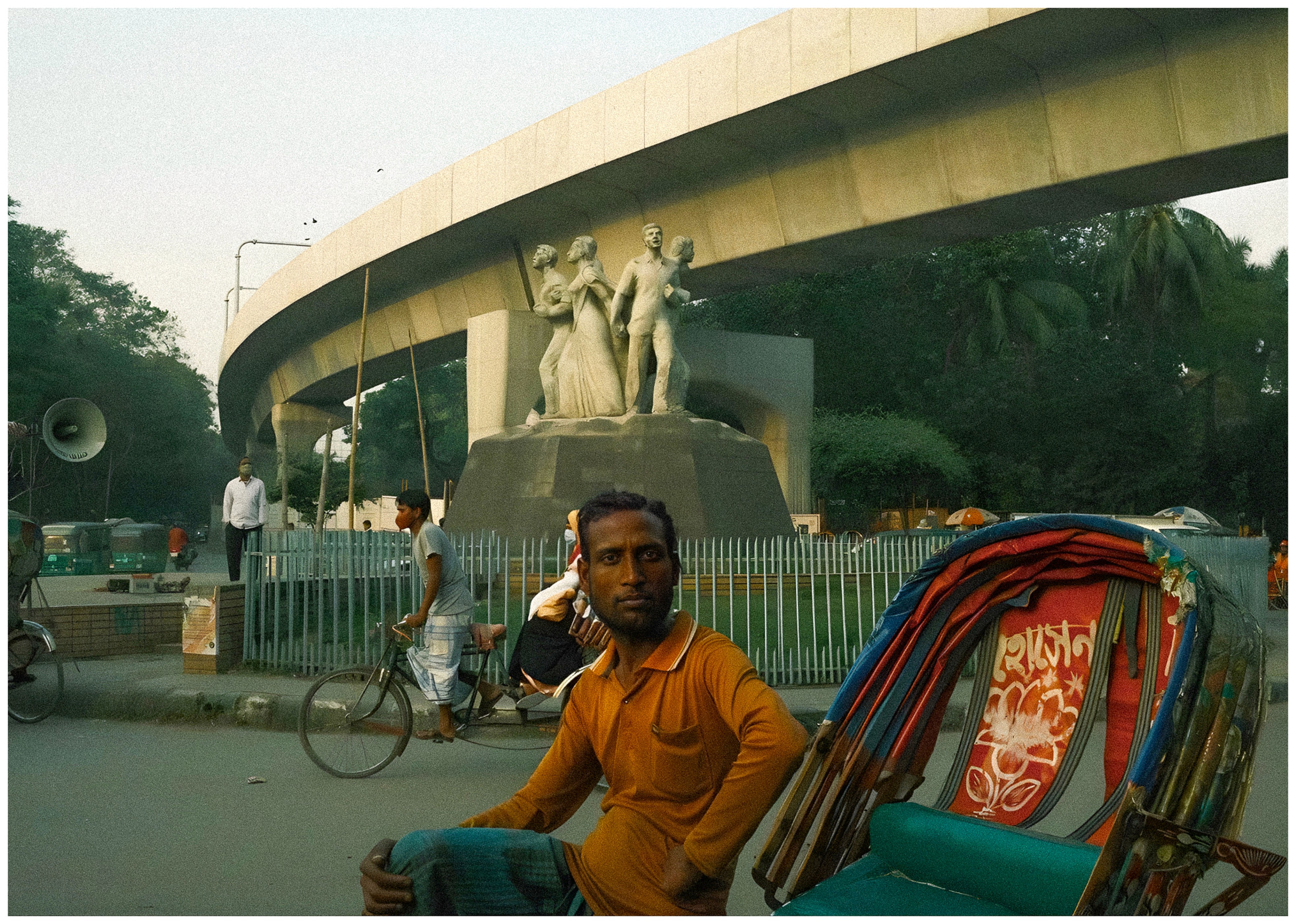

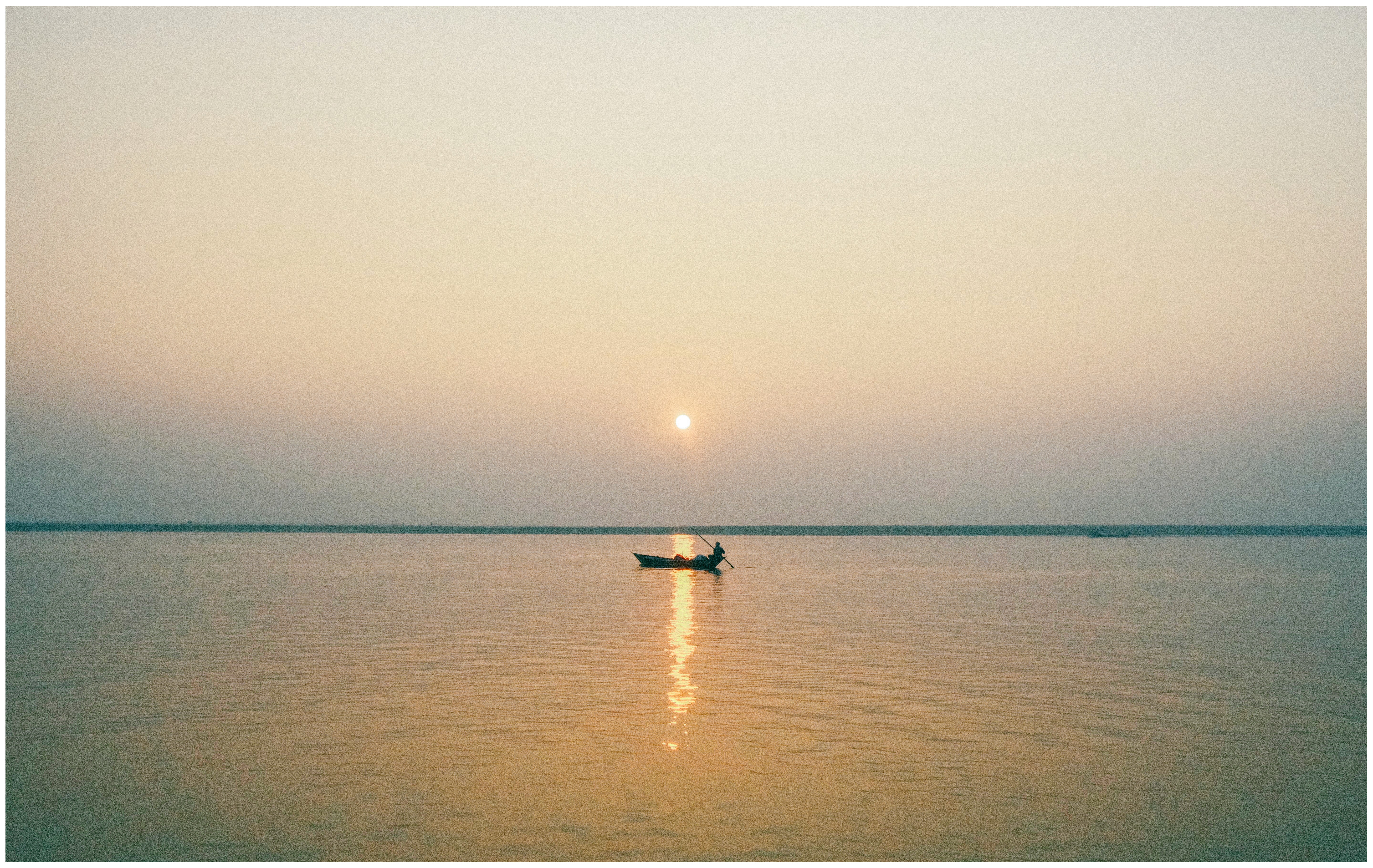

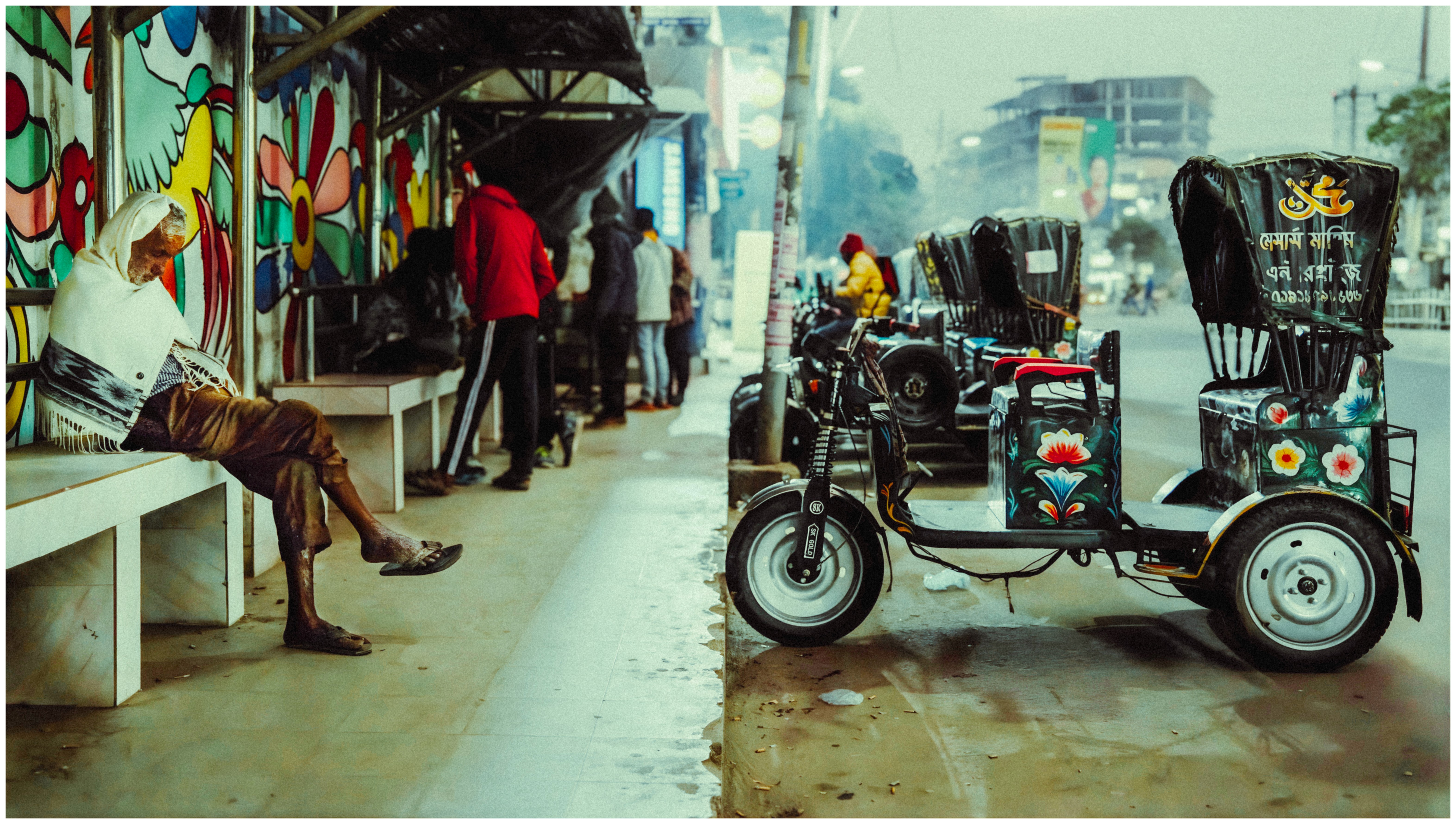
I shot every one of these photos on the X100V, a little APSC camera with a fixed 23mm lens. That focal length forced me to get real close to every person I photographed. There was no hiding in the distance, no safety net of a long lens—if I wanted the image, I had to step forward and actually meet them.
Because of that, I found myself asking questions, listening to stories, learning why people lived the way they did, how they ended up where they were.
I shot every one of these photos on the X100V, a little APSC camera with a fixed 23mm lens. That focal length forced me to get real close to every person I photographed. There was no hiding in the distance, no safety net of a long lens—if I wanted the image, I had to step forward and actually meet them.
Because of that, I found myself asking questions, listening to stories, learning why people lived the way they did, how they ended up where they were.
I shot every one of these photos on the X100V, a little APSC camera with a fixed 23mm lens. That focal length forced me to get real close to every person I photographed. There was no hiding in the distance, no safety net of a long lens—if I wanted the image, I had to step forward and actually meet them.
Because of that, I found myself asking questions, listening to stories, learning why people lived the way they did, how they ended up where they were.



We walked for miles—trains, buses, rickshaws—never really knowing where we were going, just following my uncle’s lead.
Speaking in my mother tongue again felt strange and familiar at the same time, like my mouth was trying to remember a version of me that had been buried for years. Walking beside my uncle, I started conversations when I could, watched and listened from afar when I couldn’t but always aware of how far away I’d drifted. Those small, unplanned journeys are still some of my best memories to this day – proof of a life I almost let disappear.
These photographs are what remain of those mornings, an honest attempt to document a place and people while I was learning how to belong to them again. It was the first time I felt at home in years.
We walked for miles—trains, buses, rickshaws—never really knowing where we were going, just following my uncle’s lead.
Speaking in my mother tongue again felt strange and familiar at the same time, like my mouth was trying to remember a version of me that had been buried for years. Walking beside my uncle, I started conversations when I could, watched and listened from afar when I couldn’t but always aware of how far away I’d drifted. Those small, unplanned journeys are still some of my best memories to this day – proof of a life I almost let disappear.
These photographs are what remain of those mornings, an honest attempt to document a place and people while I was learning how to belong to them again. It was the first time I felt at home in years.
We walked for miles—trains, buses, rickshaws—never really knowing where we were going, just following my uncle’s lead.
Speaking in my mother tongue, I threw my entire self into those moments, talking to anyone who would let me in, or quietly watching from a distance when words weren’t enough. Some of my best memories to this day live in those spontaneous journeys with my uncle, reminders of a life I had almost forgotten.
These photographs are what remain of those mornings, an honest attempt to document a place and people while I was learning how to belong to them again. It was the first time I felt at home in years.

My friend Dipu and my Uncle
My friend Dipu and my Uncle
My friend Dipu and my Uncle

My Gramps
My Gramps
My Gramps
2021
2021
2021
2021
2021
2021